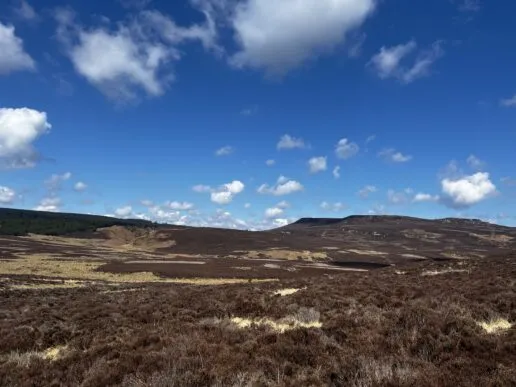
Rolling moorlands, woodlands and wide-open starry skies. The Rothbury Estate in Northumberland is a place of rare beauty, steeped in human history.
The biggest nature recovery project ever undertaken by The Wildlife Trusts is underway on The Rothbury Estate in Northumberland. Using a comprehensive, year-round, passive acoustic survey, we’re excited to discover the seasonal and spatial patterns in bat, bird, and other acoustically identifiable species across the estate. This will provide us with a robust baseline from which we can monitor changes to biodiversity over time and track the effects of nature recovery approaches used in the diverse landscape. The year-round monitoring strategy means we can assess effects of climate change on species’ phenologies, such as bird migration and bat hibernation, and assess whether species are able to adapt, or if management strategies are needed to ensure ecological resilience.
We will also explore the soundscapes of the Rothbury Estate, which can provide valuable, broad information about ecological health through natural and human associated sounds. We’re looking forward to sharing these soundscapes so that many can enjoy the sounds of Northumberland nature.
This work is fortunate to be supported by local volunteers who will deploy, collect the passive acoustic sensors throughout the year.
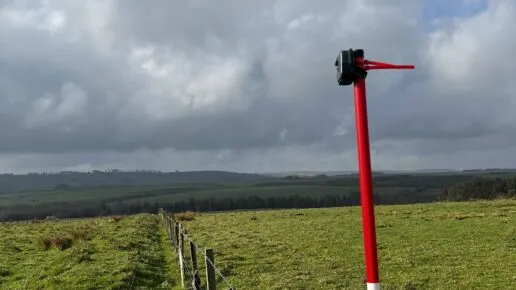
Watch a short clip about the programme here
Play Video
Related News Articles
New research starts to unlock the wild secrets of vast nature recovery project
Groundbreaking wildlife acoustic monitoring and soil analysis begin at The Rothbury Estate in Northumberland
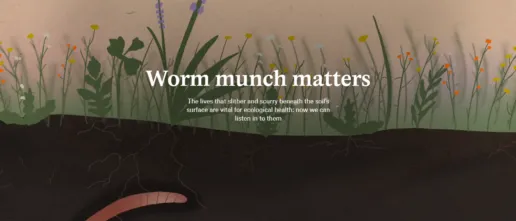
Worm munch matters
The lives that slither and scurry beneath the soil’s surface are vital for ecological health: now we can listen in to them
Related Research Themes
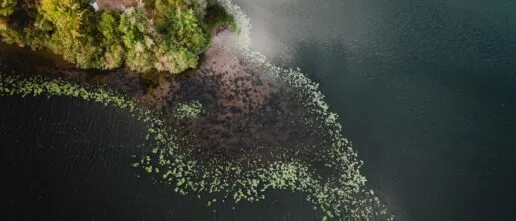
Ecology
Testing the effectiveness of different ecological approaches for nature recovery to support biodiversity and the delivery of ecosystem services such as climate change mitigation and adaptation.

Scale and Technology
Tracking and evaluating nature recovery at both fine resolution and large spatial scales utilising state-of-the-art remote sensing, big data, and deep machine learning techniques.
Partners