People and Nature (2026)
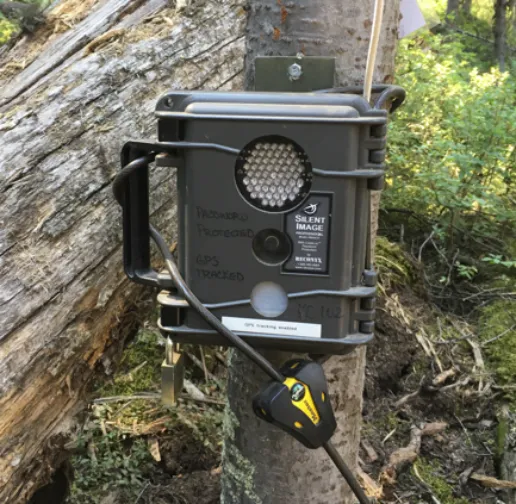
Can digital technologies help us manage nature better? In the era of ubiquitous mobile phones, digital surveillance, drones and AI, the answer might be obvious. And, yes, there are numerous examples of people applying digital technologies to nature recovery. These technologies can, for example, generate novel data on where migrating birds go, detect cryptic or nocturnal species, automate data collection particularly making observations beyond human capacity, or capture the observations of citizen scientists.
However, the use of digital surveillance also has other implications for nature, and our relationship to it. Digitalisation can shape the way we understand the non-human, and blur the boundaries between actual nature and digital or virtual natures. Digital surveillance devices also have implications for the future of people as naturalists and field scientists. They can turn nature into a commodity, and encourage close dependence by conservationists on powerful global tech corporations. Digital surveillance for nature recovery can also reveal what people are doing, and while this can be useful in conservation, it has the same potential as any other kind of surveillance to facilitate abuse of human rights. It is also an issue that digital surveillance has the same negative environmental impacts as other forms of digitalisation, with its dependence on rare earth mining, its boundless energy demands and the problem of e-waste. Another issue is that some forms of digital surveillance, for example using electronic tags attached to the bodies of animals, has implications for their welfare.
In this paper, I conclude that digital surveillance technologies can make important scientific contributions to nature recovery, but they are not a magic bullet. We need to do digital surveillance with great care. Close attention to ethical frameworks and transparency about methods are important if their benefits are to be realised without associated costs.
Related News Articles
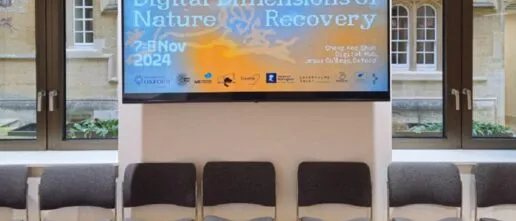
Beyond ‘technical fixes’: Digital Dimensions of Nature Recovery conference provokes debate at the interface between theory and application
Noemi Duroux, Lotti Jones, Caitlin Hafferty, and Jonathon Turnbull reflect on the 2024 Digital Dimensions of Nature Recovery conference,

Digital Dimensions of Nature Recovery conference explores the potential, pitfalls, and diverse futures of technological innovation
Noemi Duroux, Lotti Jones, Caitlin Hafferty, and Jonathon Turnbull reflect on the 2024 Digital Dimensions of Nature Recovery conference, which created a vibrant, interdisciplinary space for knowledge sharing and debate across science, policy, and practice.
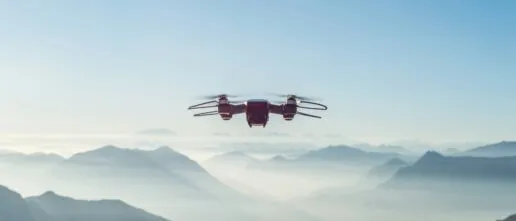
Digital Dimensions of Nature Recovery
The first three papers arising from our Digital Dimensions of Nature Recovery conference have just been published
Related Research Themes

Society
Encompassing the governance and socio-cultural dimensions of nature recovery.
