Seminar followed by Q&A and drinks – attend in person or join online – all welcome
Abstract: The Convention on Biological Diversity’s multilateral mechanism for Digital Sequence Information (DSI) was designed to make benefit-sharing possible without tracing every sequence through every downstream use. But once benefits are pooled, a different question becomes central: how should biodiversity be represented in deciding where those benefits go? Drawing on the negotiations and outcomes of COP17 of the Convention on Biological Diversity, this talk examines the emerging politics of allocation in the Cali Fund. It considers how different biodiversity indicators, geographic origin, capacity needs and formula design shape the distribution of resources, and what these choices suggest about the kinds of provider interests the mechanism is recognising. At stake is not only who receives what, but what kinds of biodiversity — and what relationships to biodiversity — become legible within the mechanism.
June situates these debates within the wider question of provider-country confidence in the multilateral mechanism, while distinguishing country allocation from the separate challenge of how the Indigenous Peoples and local communities share is accessed and distributed in practice. The talk asks what the COP17 settlement reveals about the kind of multilateral bargain now being built around DSI, and what may still remain unsettled.
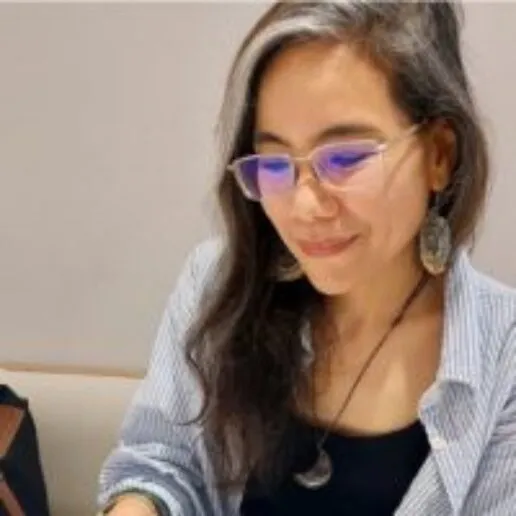
Biography: Dr June Rubis is a Bidayuh scholar from Sarawak, Malaysia, and a Macquarie University Research Fellow. Her work examines Indigenous sovereignties, biodiversity governance, and the politics of knowledge and data in global environmental processes. She serves as an Indigenous Peoples and local communities member of the Steering Committee of the Cali Fund under the Convention on Biological Diversity, and has been supporting the International Indigenous Forum on Biodiversity (IIFB) on DSI negotiations since SBI-7 and in the lead-up to COP17. Her current work focuses on the DSI multilateral mechanism, provider-country confidence, biodiversity allocation, Indigenous data governance and the governance of recognition. She holds a DPhil from the School of Geography and the Environment, University of Oxford, and an MSc in Environmental Change and Management from Oxford, and is a Lead Author for the second IPBES Global Assessment.
The Leverhulme Centre for Nature Recovery and the Nature Network are interested in promoting a wide variety of views and opinions on nature recovery from researchers and practitioners. The views, opinions and positions expressed within this lecture are those of the author alone, they do not purport to reflect the opinions or views of the Leverhulme Centre for Nature Recovery/Nature Network, or its researchers.
