2026
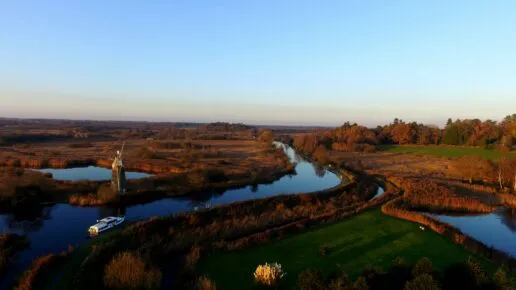
This consultation was issued by the Department for Environment, Food and Rural Affairs (Defra) to invite comments on this first Environmental Delivery Plan (EDP), which is intended support nature recovery in the Norfolk Broads Special Area of Conservation (SAC) (Yare and Bure), Broadland Ramsar and River Wensum SAC), while also enabling sustainable development.
EDPs apply to England only, and LCNR considers this first EDP should be of a very high standard as it is likely to be used as the benchmark for EDPs that follow. In our response to this consultation, the Centre proposes several improvements to ensure that this EDP is of a good standard, and makes the following recommendations.
- The EDP must prove that it will not increase overall nutrient levels, using the same quantified method as for nutrient neutrality, because the sensitive habitats of the Fens and Broads are close to tipping points where further nutrient inputs could result in irreversible loss of biodiversity.
- To do this, there should be more focus on measures that avoid or remove pollution and maintain water levels, including: careful siting of development, mandatory Sustainable Urban Drainage (SuDS – positioned to intercept runoff and remove pollution via a treatment train, and designed for biodiversity co-benefits), water efficiency standards, construction phase planning conditions to prevent runoff, septic tank upgrades, habitat creation sited to intercept agricultural runoff (including field margins and riparian buffers); and beaver reintroductions. Adequate sewage treatment capacity to meet designated standards should be available before occupation of new development commences.
- Measures are needed to prevent leakage of impacts elsewhere in the catchment.
- Creation of new habitats is welcome but should provide the “gain” once nutrient neutrality is delivered.
- Monitoring and the Overall Improvement Test should be based mainly on changes in protected species populations and nutrient levels, as this is the only way to determine whether the habitat measures have offset the increased nutrient loading from the development. Detailed monitoring needs to extend beyond 10 years to ensure that nutrient neutrality is being delivered for the long term.
- The overall budget and that for remedial action seem too small, and an excessive portion of the budget is allocated for deer management with no nutrient benefits. Calculation of the target habitat areas and the levy rate must be transparent.
This submission was submitted by the Leverhulme Centre for Nature Recovery on 26 October 2026.
