Seminar followed by Q&A and drinks – all welcome
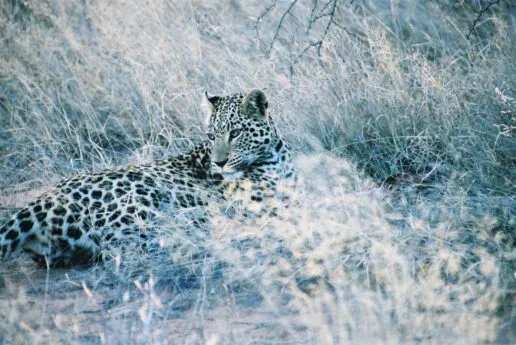
Wildlife conflicts pose growing threats to species conservation worldwide. Research has long separated human–wildlife conflict from disputes between people over wildlife, yet the fierce contestations over how conservation should be practised remain poorly understood. This study investigates South Africa’s challenged sustainable use approach through the lens of the leopard (Panthera pardus), a species whose charisma, elusiveness, and danger make it an especially emotive and intellectually challenging case. Opponents condemn sustainable use as exploitative, conservation-ineffective, unjust in distributing benefits, and risky for disease transmission; supporters highlight its proven capacity to conserve wildlife and drive socio-economic development. Findings reveal that the established human-wildlife versus human-human conflict typology is insufficient to explain escalating societal polarisation. This research surfaces not only two positions, but four distinct worldviews about what constitutes effective and acceptable conservation, placing them at the heart of the conflict. Crucially, these worldviews are not merely conceptual but can be measured via the sustainable use conservation worldview (SUC-WV) scale, offering novel implications for managing conservation conflict at scale.
Christina Hiller works at the intersection of conservation science, human behaviour and governance. She brings her background in conservation biology, psychology, and economics to her work. Her research at the Durrell Institute of Conservation and Ecology, University of Kent, focuses on how worldviews, values, and governance structures shape contested conservation decisions—most recently through a PhD on polarised conflict around South Africa’s sustainable use approach using the leopard as a case study.
The Leverhulme Centre for Nature Recovery and the Nature Network are interested in promoting a wide variety of views and opinions on nature recovery from researchers and practitioners. The views, opinions and positions expressed within this lecture are those of the author alone, they do not purport to reflect the opinions or views of the Leverhulme Centre for Nature Recovery/Nature Network, or its researchers.
