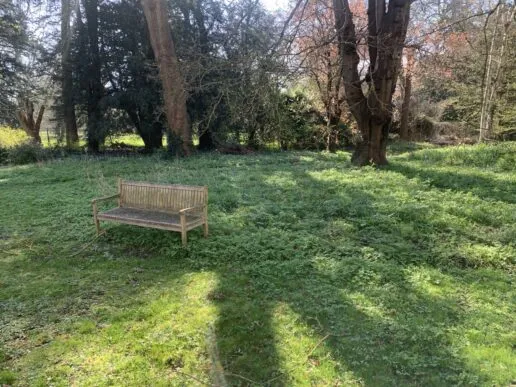
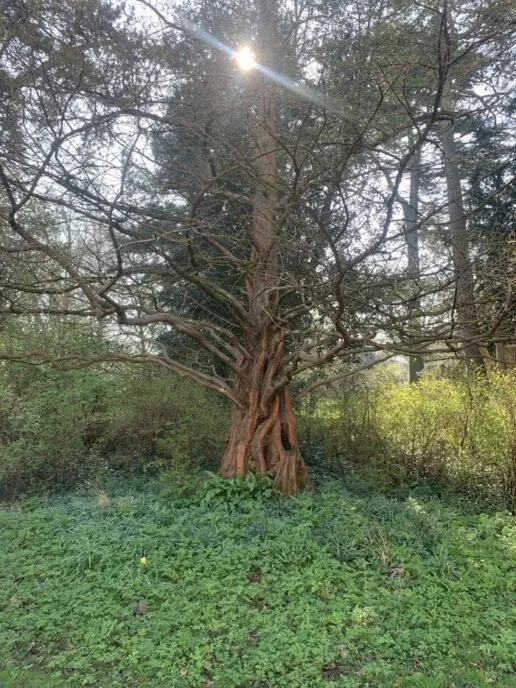
Lady Margaret Hall is a stone’s throw away from the University Parks and is one of the few Oxford colleges that sit on the banks of the River Cherwell, however, what attracted the LCNR for a morning garden tour was LMH’s wildflower quad, gardens and meadows.
If anything could ever be “quintessentially Oxford” it would be the manicured, measured and pristine college quads that that dominate nearly every college.
Almost every college has teams of gardeners whose express purpose is to make the quad look neat and “presentable” with constant treatment, planting and mowing required to get that familiar Oxford look.
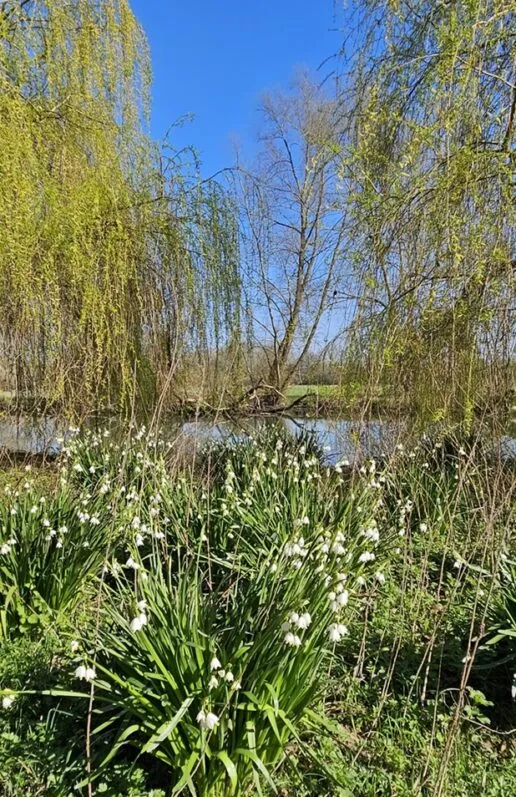
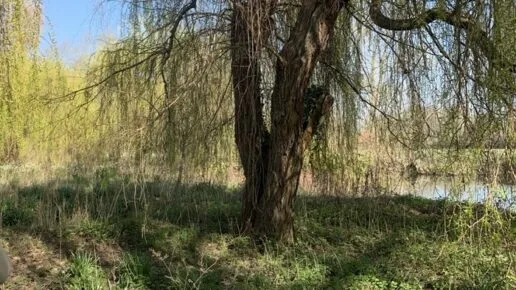
Like other colleges LMH also does have the tradition quad but far more interestingly LMH is one of the few Oxford colleges with a wildflower quad and designated areas of wild meadows and gardens.
Our tour guide was Kevin Hobbs- a college gardener of over 10 years who took us around the entire site whilst giving us a brief history of the college.
LMH has a reputation for being one of Oxford’s more progressive colleges as it was the first to admit women (in 1879) and since 2016 has been the only Oxford college to offer a foundation year to disadvantaged students. In the same progressive vein LMH has endeavoured to maintain biodiversity and support nature with its wild gardens and meadows.
Kevin also explained how sparingly he had to tend to the wild gardens, mowing is kept to a minimum (some areas were never mowed), some weeding is required here and there and when the wild grass get too long it is cut and allowed to regrow. In Kevin’s own words the gardens were not 100% organic, but they were close enough.
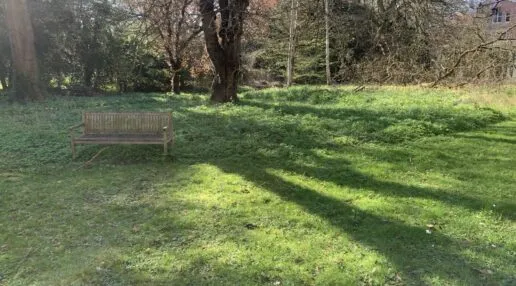
LMH has 13 acres of garden in total (made up of riverbank, biodiverse meadows and formal planted borders) and the amount of this that was wild was genuinely surprising. However, far from being “messy” or “unkempt” the wild gardens of LMH had a special beauty to them.
The sheer variety of flowers, trees and grasses was amazing and the entire group kept stopping to admire and take pictures- a far cry from the somewhat bland monocultures that are traditional oxford quads.
Besides the aesthetic value there is in wild gardens and meadows it is always important to centre biodiversity and local nature conservation when discussing our relationship with the environment.
We should not be promoting wild gardens and meadows for the sake of human pleasure, but rather we should cherish and encourage more wild areas for the sake of nature, local habitats and biodiversity itself.
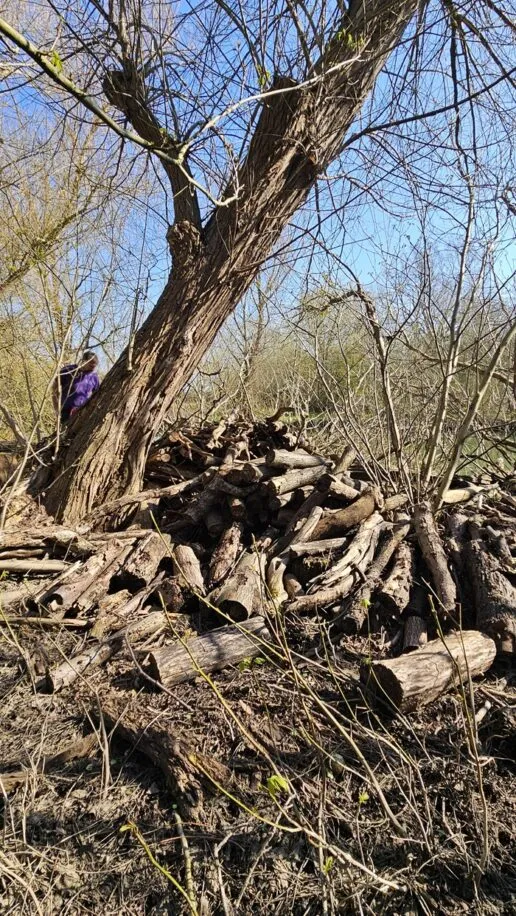
Beyond wild spaces LMH has also implemented a range of additional measures to support biodiversity.
These include:
- Creating habitats that encourage wildlife such as invertebrates, insects, amphibians, and reptiles, through features like log piles, leaf mounds, compost areas, and intentionally ‘messy’ spaces
- Installing bird boxes to support nesting species
- Introducing swift boxes, with plans to expand these across more of their buildings in the future
- Constructing bug hotels to provide shelter for a variety of invertebrates
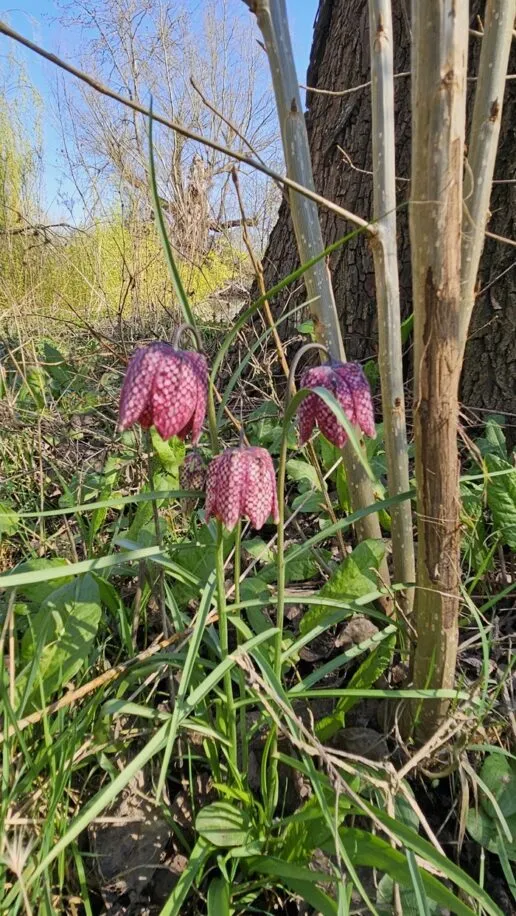
When we give nature space to thrive she often surprises us, one example of this is the fact that the LMH gardens were full of beautiful snake’s–head fritillaries (which are a rare sight these days) and there wasn’t just one or two, but dozens of them.
Interestingly, at one nature reserve in the heart of Oxford, the snake’s-head fritillary has made a startling comeback. When the Berks, Bucks and Oxon Wildlife Trust (BBOWT) took over Iffley Meadows in 1983 there were just 500 plants left, but thanks to careful management, there are now an astounding 42,000 flowers.
LMH is doing it’s part to secure a future for these beautiful plants too.
With thanks to Kevin Hobbs and the wonderful garden team at LMH, for helping nature thrive.
