Seabirds and natural vegetation could give low-lying tropical atoll islands a fighting chance against the threat of sea-level rises, a new study published today in the journal Science Advances reveals.
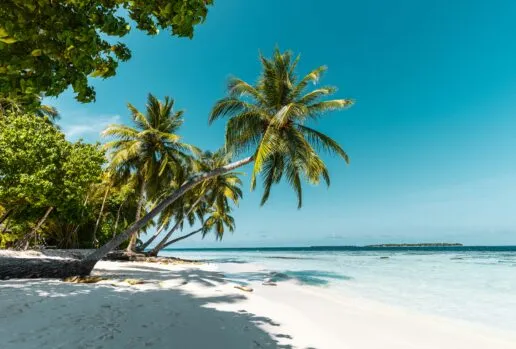
As Earth’s atmosphere continues to warm, sea levels are projected to rise, threatening to swamp ‘tropical paradise’ atoll islands such as those found in the Maldives, French Polynesia and elsewhere across the Indian and Pacific Oceans.

“The study shows beautifully how atolls are an intimately interconnected island-reef system, a geo-ecological system. Restoring and boosting the wildness of these islands through seabirds and native vegetation helps these islands to adapt to global change. These islands provide a model example of how restoration and rewilding can help ecosystems adapt to climate change, giving insights that can be applied across the natural world
The international team of researchers examined 28 atoll islands across the Indian and Pacific Oceans, revealing how seabirds and native plants strengthen the natural processes that help islands adapt to climate change.
Seabirds transport vital nutrients from the open ocean to islands and surrounding reefs, fertilising corals and boosting reef growth and sediment production. Reefs around seabird-populated islands could produce sediment at up to 2.8 times the rate of those around bird-depleted islands. Meanwhile, native vegetation provides stronger root systems than coconut plantations, helping stabilise soils and reduce erosion during storms.
The findings highlight how removing invasive rats, restoring seabird colonies and regenerating native forests could strengthen atoll resilience, offering a nature-based approach to helping these vulnerable islands adapt to rising seas.