2026


Related Projects
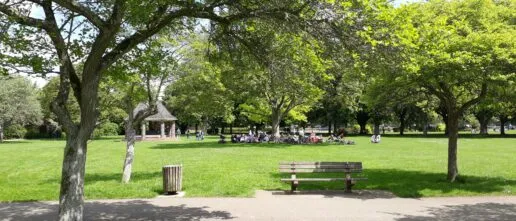
National to local disconnects in greenspace policy
Exploring disconnects and synergies for greenspace across health, nature and climate resilience policies through an equity lens

Oxford Policy Engagement Fellowship: Developing a green infrastructure equity tool
A collaborative project with Plymouth City Council and the Woodland Trust to develop and trial a tool to identify neighbourhoods that are socioeconomically deprived and lack access to green space.

From greening to wellbeing: Multi-scale analysis of green infrastructure and mental health at population level within the UK
A mixed methods investigation into how green infrastructure influences mental health across diverse communities and landscapes in the UK
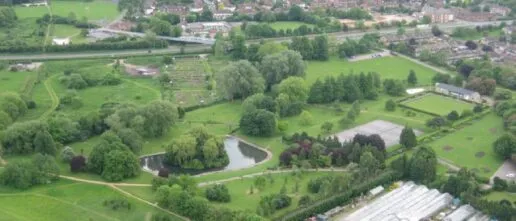
Equitable distribution of nature-rich accessible green space: An Oxfordshire case study
Investigating the distribution of freely accessible green space in Oxfordshire in relation to socio-economic status to inform local green space planning.

Community values in accessible urban green spaces and planning: An Oxford case.
Investigating community values in accessible urban green spaces and assessing the equity of urban green governance across different socio-economic areas of Oxford.
