Tropical ecosystems are at high risk from climate change, which is already forcing shifts in above-ground ecosystem composition. However, a lack of understanding of the complex relationships between abiotic conditions, vegetation communities, and below-ground ecosystems makes it difficult to predict the more specific changes they may experience. In West Africa, Ghana provides an apt case study to examine the relationships between these variables, as the stark north-south rainfall gradient places dense tropical forests only a short distance away from dry ones, which are in turn located next to savanna, all in quick succession. Furthermore, West Africa is a relatively understudied region of the world in the field of ecology. Though a large proportion of tropical research focuses on Amazonia and Southeast Asia, African ecosystems have been found to have the most divergent patterns of plant diversity and distribution across these continents, necessitating further research into its specific functioning.
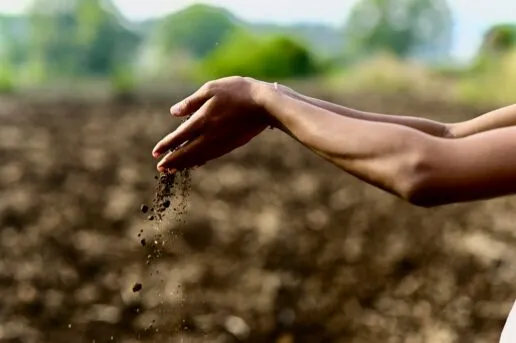
Soil composition is an extremely interesting variable to analyse in these tropical ecosystems, because predicted correlations between above and below-ground communities tend not to hold up to measured realities. Millions of microscopic fungi and bacteria live in every gram of soil, helping to pull nutrients out of inorganic compounds for ecological use, cycle them through the ecosystem, and break down and recycle dead organic matter. However, little is actually understood about the distribution drivers of these soil microbes, or even how much diversity they even have. While traditional biogeographic hypotheses related to species distribution suggest that mutualistic relationships and limiting climatic factors should result in similar diversity levels across regions, recent papers comparing above and below ground diversity in particular have not always found this to be true. As a result, this project uses soil eDNA from LNCR study sites in Ghana to better understand whether or not they form climate or vegetation-limited relationships in this region.
This project is divided into two main lines of inquiry that will form the basis of two academic papers.
- To examine both fungal and bacterial soil microbiomes from the full range tropical forests through to the savanna, investigating which abiotic variables most strongly influence the dominance of one group over any others and whether there is a tipping point in community composition along this gradient.
- To explore whether symbiotic mycorrhizal fungi in the forested regions have any relationship to above-ground structural complexity or to either alpha or beta biodiversity using remote sensing measurements of these variables.