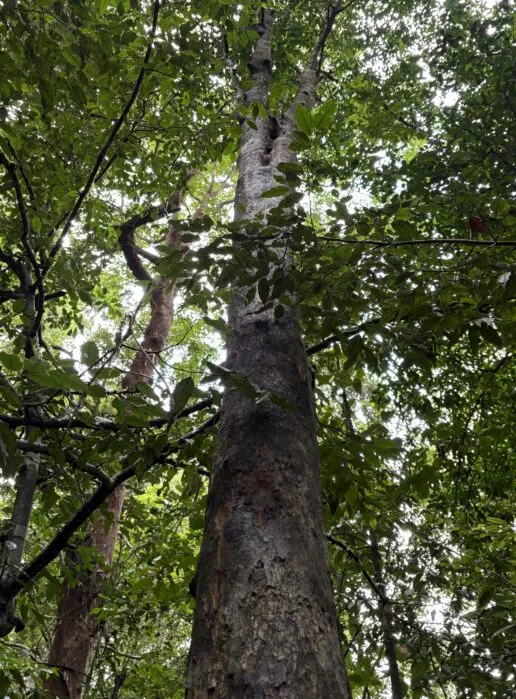
Nutrient flows underpin plant growth, carbon sequestration, and biodiversity by maintaining the web of life. Tropical forests and savannas contribute nearly half of the world’s terrestrial net primary productivity (NPP), yet major uncertainties remain about how these ecosystems acquire, use, and conserve nutrients across gradients of climate and disturbance. However, most studies describe nutrients as static stocks or concentrations, limiting our understanding of how nutrients flow through plants to sustain productivity. Moreover, they’re often measured only in aboveground tissues like leaves. This project adopts a whole-plant nutrient flux approach—coupling stoichiometries of leaves, wood, and fine roots with NPP—offering direct insights into nutrient flow, demand, and use efficiency.
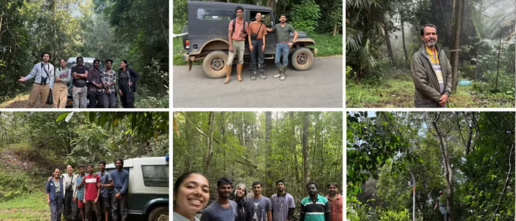
My DPhil investigates how plant nutrient cycling strategies are shaped by environmental factors like rainfall and soil fertility, as well as invertebrate driven decomposition like ants and termites. I work closely with local field teams from the Long-Term Ecological Monitoring Network (LEMoN) in India, the Ghana Forestry Research Institute (CSIR-FORIG) and other colleagues from South Africa and Brazil to uncover the inner workings of plants across the tropics. Together, this work fills key gaps in our understanding of tropical nutrient dynamics and provides a robust framework for comparing productivity and nutrient use across continents.