The UN 2026 Biodiversity Conference (17th meeting of the Conference of the Parties (COP17) to the Convention on Biological Diversity (CBD)) will bring together governments from nearly 200 countries to decide on actions to meet the agreed target to halt and reverse the loss of nature by 2030. COP17 will mark the first global review of collective progress towards the implementation of the Kunming-Montreal Global Biodiversity Framework (KMGBF). A delegation of 25 University of Oxford researchers will be following the proceedings, contributing their expertise to the discussions. The delegation compromises researchers representing the Department of Biology, School of Geography and the Environment, Las Casas Institute for Social Justice, School of Anthropology. The conference takes place from 19 to 30 October in Yerevan, Armenia.
We spoke to a few members of the delegation about their hopes for COP17.
David Cooper is attending COP17 as part of the UK delegation in his capacity as Chair of the Joint Nature Conservation Committee. He will also contribute to a range of side events organised by governments, scientific networks and civil society organisations. Drawing on his extensive experience with the CBD, David will work with colleagues in IPBES and the British Ecological Society as well as the Oxford delegation to champion the science-policy interface in support of effective implementation of the Kunming–Montreal Global Biodiversity Framework and the urgent action needed to halt and reverse biodiversity loss.
In an editorial published in Science ahead of the conference, David outlines what COP17 needs to achieve to put nature on a path to recovery by 2030.
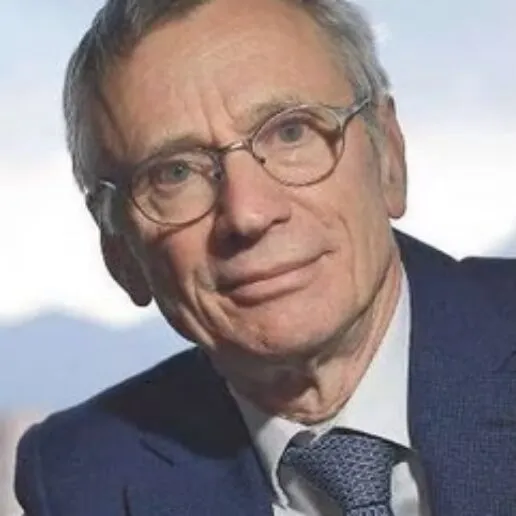
“I believe COP17 can demonstrate that the world remains united in its determination to address the biodiversity crisis. I hope it will mark the moment when ambition translates into action. In particular, we need to see renewed efforts to reform harmful incentives and tackle the underlying drivers of biodiversity loss. Delegates must also complete the work started at COP16 to strengthen the role of Indigenous Peoples and local communities in the Convention’s work, and ensure that the Cali Fund becomes fully operational.”
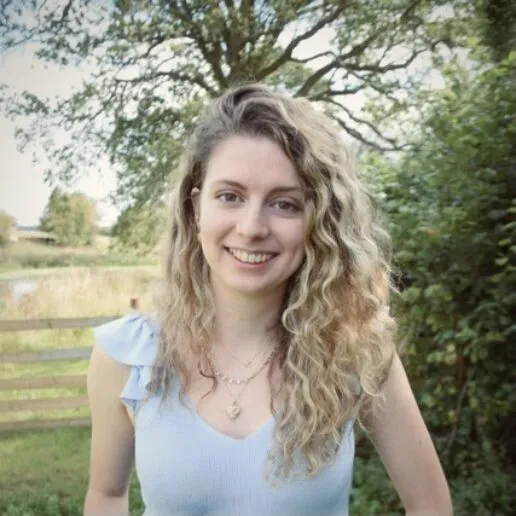
Hannah Nicholas, Head of the University of Oxford COP17 delegation, Programme Manager of the Conservation and Sustainability Consortium of Academic Institutions (CASCADE), and Research Associate at the Leverhulme Centre for Nature Recovery. Hannah works to connect academic expertise in people-orientated conservation science with the development of principles, policies and practices that support UK and international biodiversity policy. Hannah said: “I am always motivated and inspired by these moments in the calendar when people from across the world, with different backgrounds, interests, and lived experiences, are able to join together around a shared sense of humanity and a common purpose of protecting and restoring nature. I hope that at COP17 we are able to make genuine progress on key issues, translating shared ambition into meaningful action.
I am particularly looking forward to championing the vital role of science and research in informing international decision-making, and will be working through CASCADE, as well as in my role as co-coordinator of the Academia and Research organisations group, to support researchers engaging with the CBD. I’m also excited to be bringing a brilliant cohort of early-career researchers to COP17, many of whom are attending COP for the first time, and hope to show them how much potential there is for academics to make a difference by engaging with policy processes.”
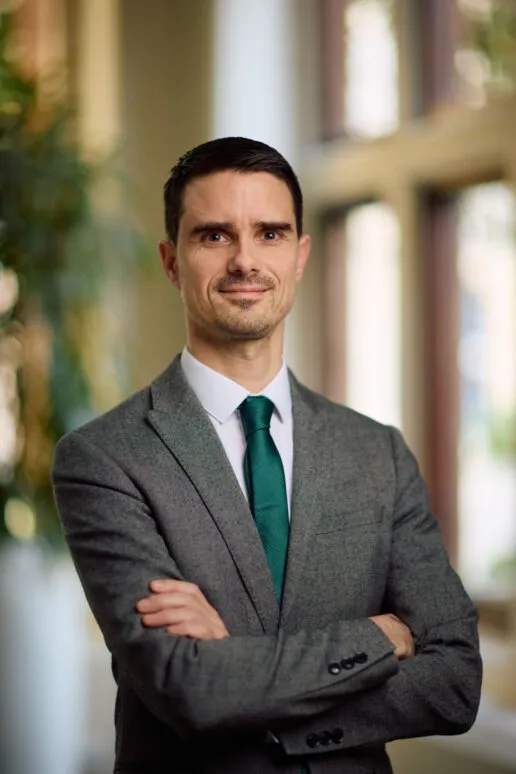
Dr Dan Challender, Senior Research Fellow in the Department of Biology and Co-Director of the Oxford Martin School Programme on Wildlife Trade at the University of Oxford. Dan’s research focuses on the sustainable use and trade of wildlife, conservation policy and governance, and the effectiveness of international environmental agreements. He works at the interface of science and policy, examining how evidence can inform conservation decision-making and how international agreements can deliver better outcomes for biodiversity. Dan said: “I am excited to attend CoP17 and hope to see governments demonstrate renewed ambition and make bold commitments to halt and reverse biodiversity loss. With 2030 fast approaching, it is vital that commitments translate into meaningful, evidence-based action on the ground.
Equally important is ensuring that we can robustly measure and evaluate progress towards the targets and goals of the Kunming-Montreal Global Biodiversity Framework, both in the lead-up to 2030 and beyond. Strengthening how we monitor progress and assess the effectiveness of conservation actions will be essential to understanding what is working, where greater efforts are needed, and ultimately whether we are delivering for biodiversity.”
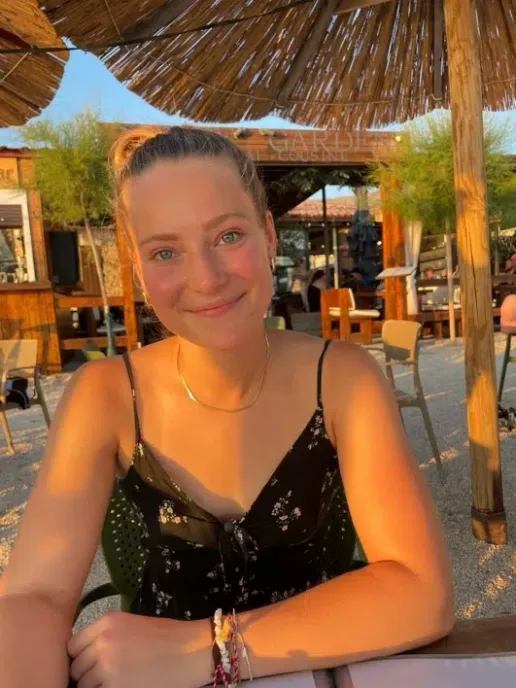
Éilish Farrelly, NATURE Impacts Project Lead at the University of Oxford, working in collaboration with WWF-UK to develop an evidence-based approach that helps countries identify and prioritise actions with the greatest potential to contribute to global nature recovery, taking account of national contexts and impacts beyond borders.
Éilish said: “I’m looking forward to COP17 as an opportunity to connect with people across science, policy and practice, and explore how we can build on efforts to measure biodiversity loss and global commitments to drive meaningful action. Through NATURE Impacts, we’re interested in how countries can identify effective and equitable priorities for nature recovery, recognising their different circumstances and impacts beyond borders. I hope the discussions will help us better understand what decision-makers need from science, and how our research can support real-world progress for biodiversity.”
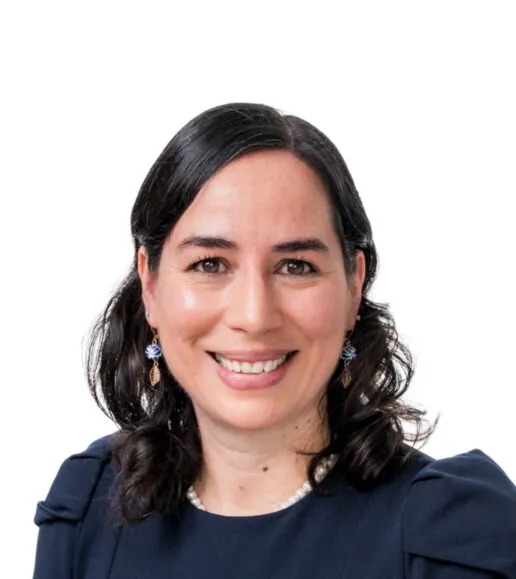
Paola is a DPhil Candidate and Independent Researcher at the SoGE/ECI, University of Oxford, and a member of the Leverhulme Centre for Nature Recovery. Her research investigates the socio-ecological benefits and decision-making processes of community-led mangrove recovery in Mexico. At COP17, she will participate in the 2nd Biodiversity Capacity-Building and Development Forum.
She said: “My strongest hope for COP17 in Yerevan is that global biodiversity commitments translate into transformative, cross-sectoral action, supported by Biodiversity Funds that mobilize public, private, and philanthropic resources through equitable, transparent, rights-based, and culturally respectful mechanisms. Such funds could increase direct support for Indigenous Peoples, Local Communities, and other locally led conservation and restoration initiatives, while financing knowledge generation across diverse knowledge systems and strengthening the capacities of stakeholders and rights holders to advance effective inclusive biodiversity governance, evidence-base decision-making, and lasting ecosystem protection.
The 2026 UN Biodiversity Conference also offers an opportunity to strengthen multilateral cooperation on biodiversity conservation, climate adaptation, ecosystem protection and restoration—particularly of mountain and wetland ecosystems—and water security, especially in regions facing drought, water scarcity and severe pollution.
Above all, I envision COP17 moving beyond pledges to deliver measurable action and effective financing mechanisms that safeguard biodiversity, protect and restore ecosystem integrity, connectivity, and resilience, support sustainable local livelihoods, secure access to clean water, and sustain nature and human well-being for generations to come.”
“I feel very stoked and privileged to be at COP17. Watching the discussions unfold, especially on the topics of Indigenous rights and marine biodiversity, will help me situate my PhD research within the leading global context. More broadly, I am really interested in experiencing how influential international negotiations operate. As an Indigenous woman, one of my main goals is to connect with and learn from the many Indigenous representatives who are trailblazing change within this space. Thinking longer term, I am hoping that the glimpse into negotiations at COP17 will elucidate whether a career in international advocacy is something I may pursue.”
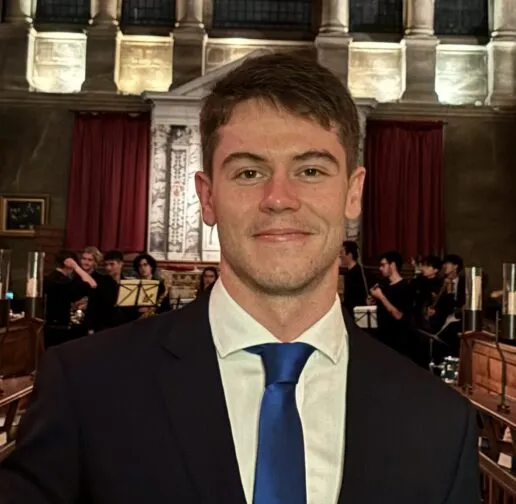
Liam O’Connor, MSc Biodiversity, Conservation and Nature Recovery student in Department of Georgraphy: “At COP17, I hope to see more commitment to and progress towards implementing GBF targets through better engagement with subnational and local governments; further mainstreaming of biodiversity across sectors; and increased commitment towards identifying and redirecting nature-negative government subsidies and private capital flows. I am also looking forward to engaging with discussions around improving cooperation across CBD conventions and broader climate and sustainable development frameworks and fostering the partnerships that can make this happen. And of course, I look forward to visiting Armenia!”
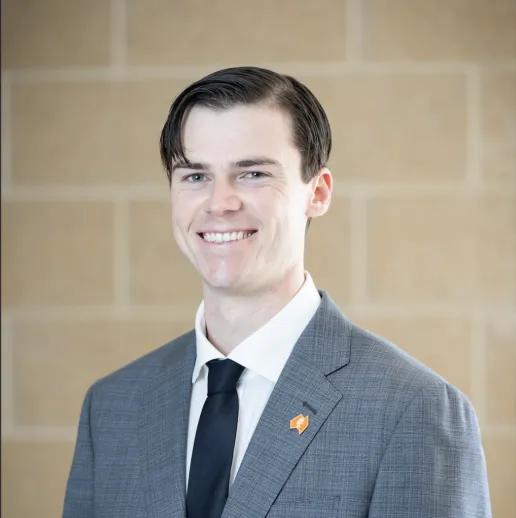
Hamish Stewart MSc Biodiversity, Conservation and Nature Recovery student in Department of Georgraphy: “I’m very excited to attend my first COP and see first-hand how international biodiversity policy is negotiated and put into practice at a critical moment for nature. With parties taking stock of progress against the Global Biodiversity Framework, it’s a timely opportunity to share my research on how conservation organisations measure what’s working.”
Contact our COP17 delegation
Related News Articles